

Posts by Roles & Associates
When Losing a Pet Feels Like Losing Family: Understanding Pet Grief and How Cognitive Behavioural Therapy Can Help

Written by Lauren Suraci, RN Psychotherapist, Registered Psychotherapist (Qualifying) For many people, pets are not just companions; they are part of the family. They are present in daily routines, offer consistent companionship, and often provide a sense of comfort that feels steady and nonjudgmental. Because of this, the loss of a pet can be deeply…
Read MoreWhen Social Media Makes Us Feel “Less Than”: How Cognitive Behavioural Therapy Can Help Teens and Young Adults Navigate Social Comparison

Written by Lauren Suraci, RN, Registered Psychotherapist (Qualifying) Social media is woven into everyday life. With billions of users on Instagram and Facebook alone, teens and young adults are immersed in online spaces where they share experiences, explore identity, and observe the lives of others. Yet these same platforms can also become environments where constant…
Read MoreWhen Winter Affects More Than the Weather: Understanding Seasonal Affective Disorder

Written by Lauren Suraci, RN, Registered Psychotherapist (Qualifying) As temperatures drop and daylight grows scarce, winter has a way of settling in, not just outside, but in our bodies and routines as well. With our northern landscape blanketed in snow and ice, the pace of life often turns inward. During this time, many people begin…
Read MoreHow to Navigate Community Crises Using Maslow’s Hierarchy of Needs on an Individual Level

By Brooke Pollard, RSW, RP-Q (OCSWSSW, CRPO) Community crises are an evolving phenomenon and an umbrella term that can be used to describe behavioral, emotional, and social justice issues that are prevalent and growing in today’s society. All of which relates to matters related to mental health. In recent years, and since healing from the…
Read MoreBrainspotting Therapy: An Informative Overview to Treating Trauma, Addiction, and Stress
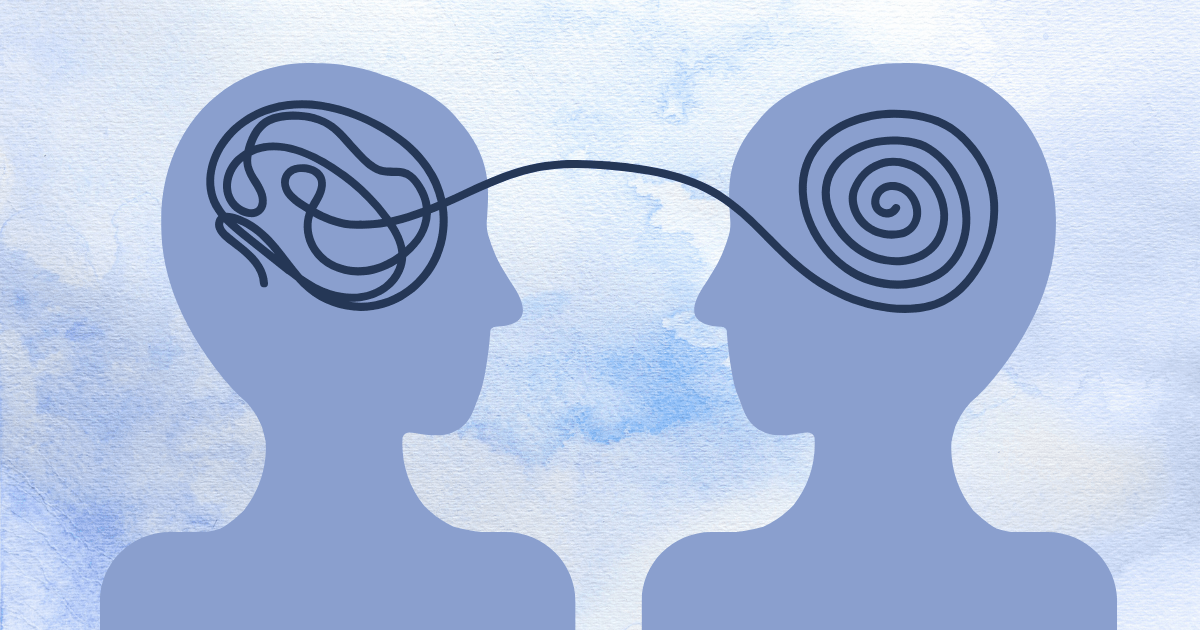
By Brooke Pollard, RSW, RP-Q (OCSWSSW, CRPO) Brainspotting is a brain-body informed therapeutic approach in treating a wide range of mental health issues, such as trauma, anxiety, depression, and addiction. Brainspotting was discovered by Dr. David Grand while completing Eye Movement Desensitization and Reprocessing (EMDR) on a patient in 2018. The core principle of brainspotting…
Read MoreUnlock the Power of Culturally Responsive Therapy: Integrating Africentric and Black Feminist Frameworks into CBT

Written by Natasha Mapungwana, MSW, MBA As the demand for culturally responsive therapeutic practices grows, mental health professionals must ensure that their approaches resonate with the diverse identities and experiences of their clients. The upcoming training integrates Africentric and Black feminist frameworks into Cognitive Behavioral Therapy (CBT), equipping you with the tools to better serve…
Read MoreSigns It Might Be Time to Seek Help for Postpartum Depression
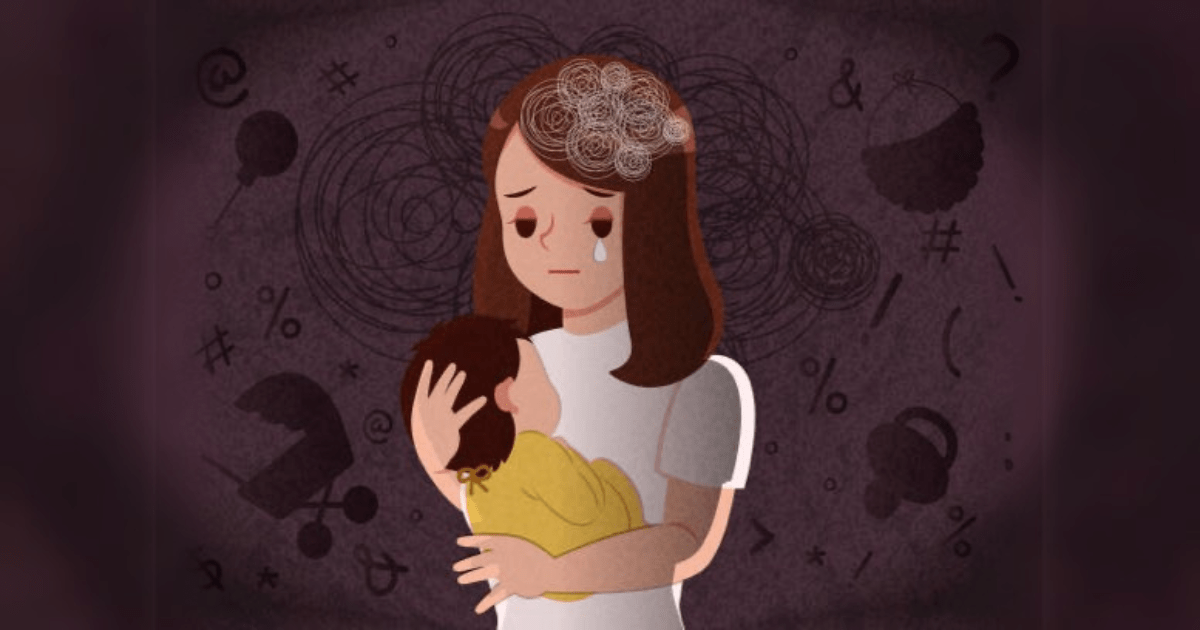
Written by Keisha Villeneuve, Social Service Worker and Student What is postpartum depression: Postpartum depression is a type of depression that may start during a woman’s pregnancy or within the first year of a child’s birth. Much like depression, it affects a person’s mood and how they feel, which impacts the way they think about themselves,…
Read MoreNavigating Major Life Transitions: Tips for Emotional Resilience

Written By: Brooke Pollard, RSW, RP-Q (OCSWSSW, CRPO) Tugade and Fredrickson (2011) describe emotional and psychological resilience as a concept using a metaphor illustrating wrought iron compared to cast iron due to its “soft,” “malleable,” and non-breakable structure, indicating its resilient compounding nature. Tugade and Fredrickson’s (2011) depiction of resilience can be applied to our…
Read MoreHow are You Maintaining Your Depression?
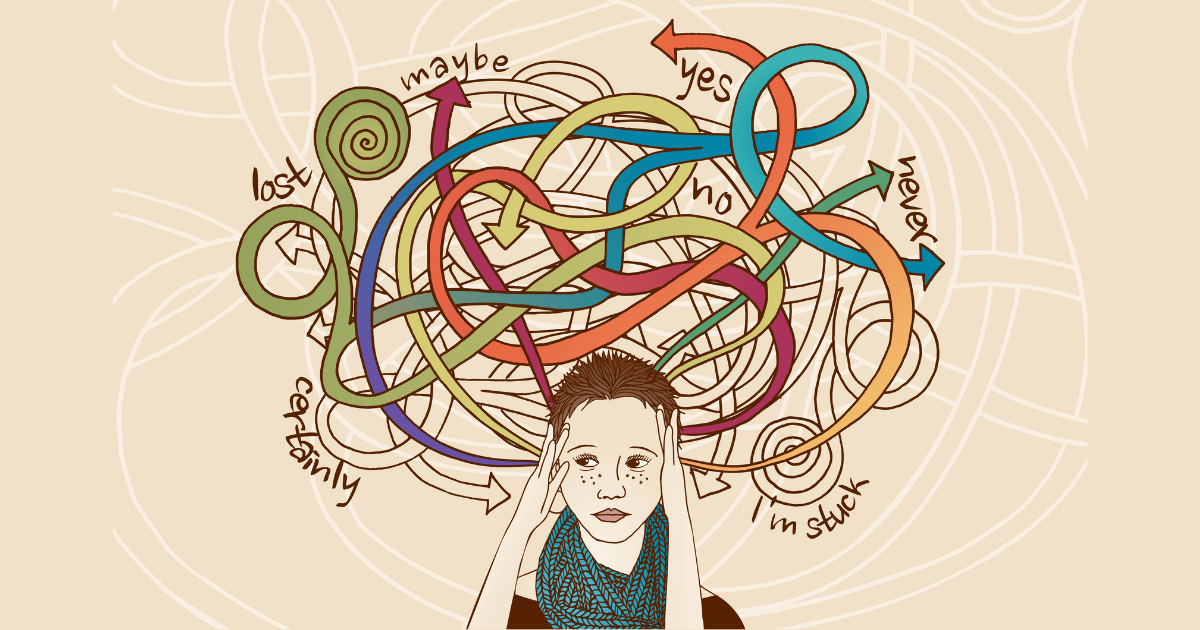
Written By: Brooke Pollard, RSW, RP-Q (OCSWSSW, CRPO) Oh, depression, a relentless, time-consuming, and foggy, outside-of-self experience that any person can encounter at unique points of their life (Fusar-Poli et al., 2023). Outside of what some of the majority social perceptions and attitudes tell us, depression and its symptoms are not biased to any person…
Read MoreManaging Anger: Techniques for Controlling and Expressing Emotions.

Written by: Hailey Moulton BA (Hons), MACP (In Progress) RP (Qualifying) Anger is a natural emotion that everyone experiences, especially in stressful situations. Learning how to manage and express your anger effectively is essential for preventing it from being expressed in harmful or unproductive ways. Excessive anger can interfere with many aspects of life such…
Read More