

Signs It Might Be Time to Seek Help for Postpartum Depression
Written by Keisha Villeneuve, Social Service Worker and Student
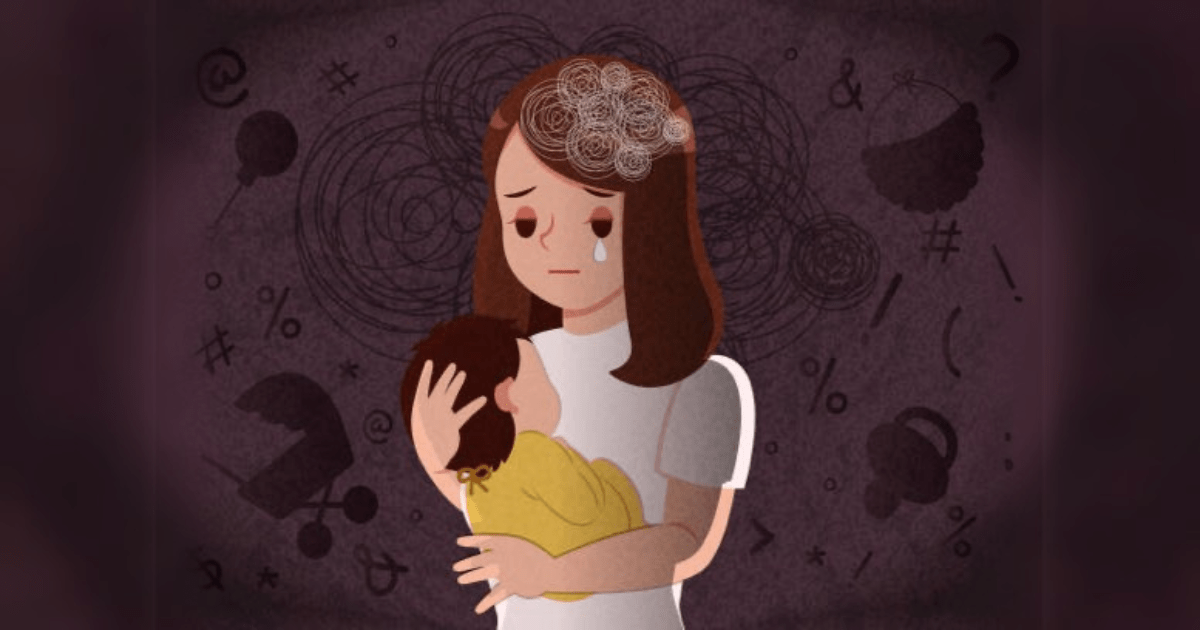
What is postpartum depression:
Postpartum depression is a type of depression that may start during a woman’s pregnancy or within the first year of a child’s birth. Much like depression, it affects a person’s mood and how they feel, which impacts the way they think about themselves, relate to others and interact with the world around them. Without proper support or treatment, depression can last for many years and can put a lot of stress on an entire family and other support systems.
Postpartum depression can affect anyone regardless of their history with depression. Although it is more common in mothers, it can affect both parents. It can be caused by many factors including biology, personality, a person’s environment, life experiences, and how well they adapt to changes, especially if they are sleep deprived.
Common reactions
Historically, there was not a lot of support for families who were experiencing postpartum depression. Much like other mental health diagnosis, postpartum depression was not often talked about in society. Although studies show that post-partum has been noted for hundreds of years, commonly referred to as “emotional difficulties” or women being “neurotic” after a pregnancy, it has only been talked about publicly for the last 20 years or so. Unfortunately, there continues to be a large stigma surrounding postpartum, that can isolate women and new mothers. When a family is expecting, there can be a lot of joy and preparation that goes into taking care of a newborn, however oftentimes moms are not prepared for some of the struggles that come post-partum, including depression.
Post Partum Depression Theories
According to the National Library of Medicine there are several theories related to postpartum depression, including Biological Theories and Psychosocial Theories. Biological theories suggest that PPD is a mood disorder that is related to different times throughout a woman’s life span and changes in hormones have a significant impact on their bodies. Psychodynamic theory which involves a woman’s childhood and family and their relationship with their own mother. It also includes the cognitive psychology theory that implies that certain aspects of a woman’s personality could increase their chances of getting PPD (Abdollahi et al., 2016)
Symptoms that may be experienced that can be related to postpartum depression include:
- Increased stress or becoming easily stressed
- Increased frustration or anger
- Increased risk-taking behaviors
- Feeling discouraged
- Loss of interest/ motivation
- Physical aches, pains or headaches
- Weight loss or gain
- Becoming isolated
- Trouble sleeping
- Excessive crying
- Feeling resentful or disconnected to family and or baby
Someone experiencing postpartum depression seek help when:
- Their symptoms make it difficult to care for the baby
- Their symptoms get worse
- Their symptoms make completing everyday tasks unmanageable
- Their symptoms include thoughts of self-harm or harm to the baby
- Their symptoms last more than 2 weeks.
(Postpartum depression in partners. Public Health Sudbury & Districts. (2024, September 5)
What kind of support is available?
- Psychotherapy, more specifically Cognitive Behavioral Therapy
- Anti-anxiety or antidepressant medication
- Support groups
- Prioritizing personal wellness groups
Please reach out to the team at Roles & Associates (or CRISIS services if needed) if you are experiencing any postpartum depression symptoms. The important thing to note if you are experiencing postpartum depression is that there is help available and you are not alone.
References
Abdollahi, F., Lye, M.-S., & Zarghami, M. (2016, June). Perspective of postpartum depression theories: A narrative literature review. North American journal of medical sciences. https://pmc.ncbi.nlm.nih.gov/articles/PMC4960931/#sec1-2
Postpartum depression. CMHA National. (2021, August 13). https://cmha.ca/brochure/postpartum-depression/
Postpartum depression in partners. Public Health Sudbury & Districts. (2024, September 5). https://www.phsd.ca/health-topics-programs/pregnancy/after/postpartum-depression-in-partners/