Brainspotting Therapy: An Informative Overview to Treating Trauma, Addiction, and Stress
By Brooke Pollard, RSW, RP-Q (OCSWSSW, CRPO)
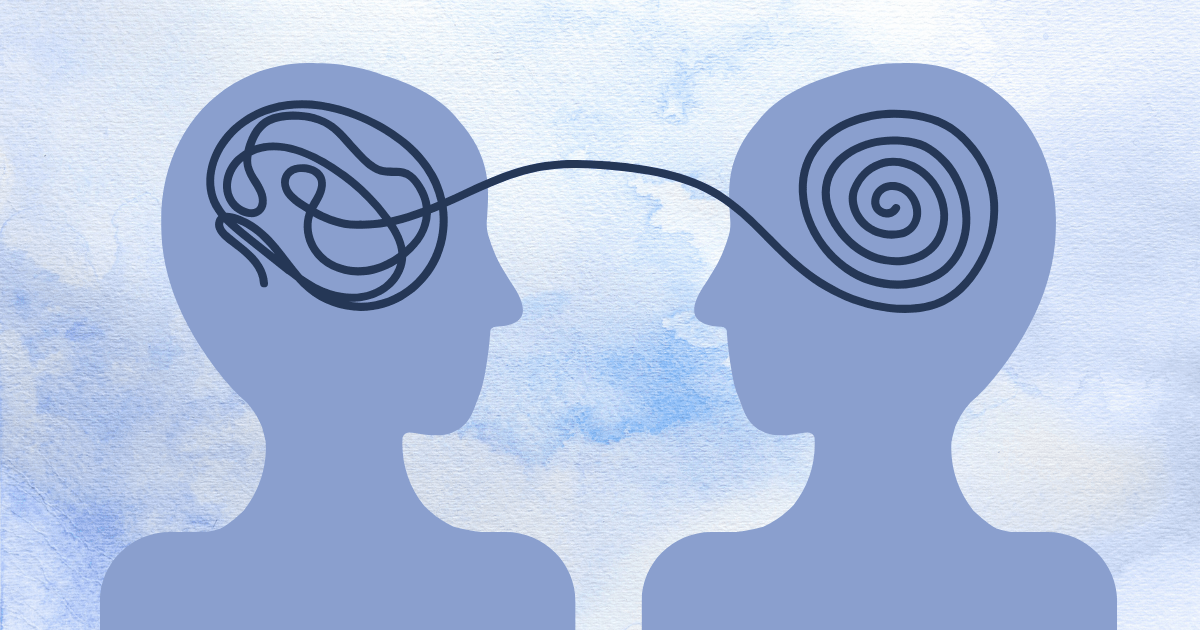
Brainspotting is a brain-body informed therapeutic approach in treating a wide range of mental health issues, such as trauma, anxiety, depression, and addiction. Brainspotting was discovered by Dr. David Grand while completing Eye Movement Desensitization and Reprocessing (EMDR) on a patient in 2018. The core principle of brainspotting is to help individuals process unresolved trauma or events that are stored in their body and brain, which keep them feeling “stuck.” The purpose of this is to help individuals process symptoms of complex post-traumatic stress disorder, anxiety, and depression, while also reducing somatic and instinctive reactions, such as anger and addiction, that are subconsciously linked to traumatic experiences. This relatively new and innovative therapeutic modality may employ three elements to promote healing, including a pointer used by a therapist, a person’s field of vision, and physical sensations located in the body to encourage mind-body connection and processing in the therapy space.
For example, childhood trauma and stress can result in a person feeling “stuck” in beliefs, such as inadequacy, failure to belong, and feeling not good enough or unsafe, stemming into adulthood. A common coping mechanism linked to childhood trauma and stress is addiction. Addiction is not limited to substance or drug use. For instance, addiction issues can be present in the form of shopping, gambling, sex, as well as substances, such as nicotine, marijuana, opioids, or alcohol, to name a few. As reported by Holmes (2023), brainspotting is a growing therapeutic modality that can help individuals uncover the deep-rooted issues linked to addictive behaviour to address them at subcortical and neurological levels. Ultimately, by using a person’s visual field to locate their brain spot, it is possible to identify where certain habits, issues, and past events are stored in the body and nervous system. As mentioned above, brainspotting can also be helpful to improve the mind and body connection for those who experience anxiety and depression from mild to severe levels, and habits that are too challenging to eliminate on their own.
Now, let’s speak about neuropathways. Neuropathways are essentially highways that transport information in your brain, thus impacting your body, behaviours, and daily habits. Have you ever wondered or criticized yourself about why it is so difficult to break old habits? It’s not you, it’s your neuropathways that have been developing for years, even decades. When a person has experienced a certain habit, such as substance use or isolating themselves for long periods of time, it is their neuropathways that are subconsciously enforcing this way of being and living. At its essence, your neuropathways are doing their best to protect and keep you safe from harm. These habits serve a purpose in protecting you from something you have experienced before. With this, it is also okay to say that some of these protective strategies might no longer suit your life and where you want to be. It takes time, and healing is possible thanks to the phenomenon of neuroplasticity and re-wiring neuropathways.
Let’s take another look at addiction. It can start out as an occasional habit before it becomes a problem. As a person begins to use substances to cope, they are unconsciously building neuropathways that might send the message, “You can’t live without me [habit],” making it extremely difficult to quit, in combination with the habit providing increased dopamine levels. In cases such as these, brainspotting can be used to target the deep brain or midbrain, such as
unconscious thought, and the nervous system, which holds unresolved emotional pain, to help formulate new neuropathways that can learn to communicate, “I don’t need this habit as much as I thought I did.”
This example can be applied to a wide range of issues, such as binge eating, flashbacks, and obsessions. While these listed issues, or whichever issue pops into your mind while reading this, are not your fault, as they most likely came from a traumatic or stressful experience that you did not know how to cope with at the time. Stressful and traumatic experiences, such as verbal, physical, psychological, and sexual abuse, including how a person chooses to cope, are not your fault, and brain spotting can support your ability to regain your power by recovering from another person’s choices and actions.
So how does brainspotting work in the therapy space? First, a person brings to mind an issue or problem they are experiencing and wish to process. Disclosing the issue to the therapist is not necessary to process it. For those with significant trauma histories or those who experience resistance to asking for help, it can be challenging to open up to a therapist, and you are welcome to keep issues and information to yourself and process internally if that helps to create more comfort. Second, the therapist helps the client locate their brain spot (a fixed eye position) linked to the presented issue by guiding them through their body and physical sensations, as well as the level of physical and emotional activation. Third, once the brain spot is located, the therapist remains attuned with the client to help initiate deep processing by paying mindful attention to the brainspot. Free association strategies that have been used in psychodynamics forms of therapies for years are encouraged, thereby allowing the brain to create new neural pathways and information processing to release you from stress, trauma, and habits that do not belong to you to begin with.
Unresolved and unprocessed trauma is linked to a wide variety of health issues, such as strokes, cancer, dementia, and many other physical and medical issues impacting several individuals and diverse populations. Please feel free to review our therapists bios to identify who are trained in providing Brainspotting, and contact our intake team for more information.
References
Holmes, S. (2023, January 8). How Brainspotting therapy supports drug addiction Treatment. The Banyans. https://thebanyans.com.au/brainspotting-drug-addiction/